We advise investors, owners and operators in the sector on the acquisition, holding and transfer of property and real estate assets, as well as on the structuring of such transactions.
A property transaction does not end with the sale and purchase contract. Title to the asset and the encumbrances over it, its position at the Land Registry and under planning law, the existing licences, the intended use, the guarantees offered by the parties, the financing and the tax consequences may all be decisive in deciding whether the transaction should go ahead and, if so, how it should be structured.
We therefore become involved from the earliest stages of the transaction. We analyse the asset and the transaction as a whole, identify the legal risks and coordinate the relevant practice areas before the client takes on commitments that are difficult to change. Our specialisation in the civil law of property and obligations is the foundation of this practice, to which we add planning, commercial, corporate and tax analysis whenever the transaction requires it.
Planning and structuring the property transaction
A well-structured transaction begins before the “arras” —the earnest-money deposit agreement— or the sale and purchase contract is signed. We are involved from the initial stage in reviewing and negotiating letters of intent, preliminary agreements and conditions precedent. We define with the client the scope of the legal review and the documents the counterparty is to provide. Our aim is for the client to know the main risks before committing the investment, and for the preliminary documentation to protect their position properly while the analysis is under way.
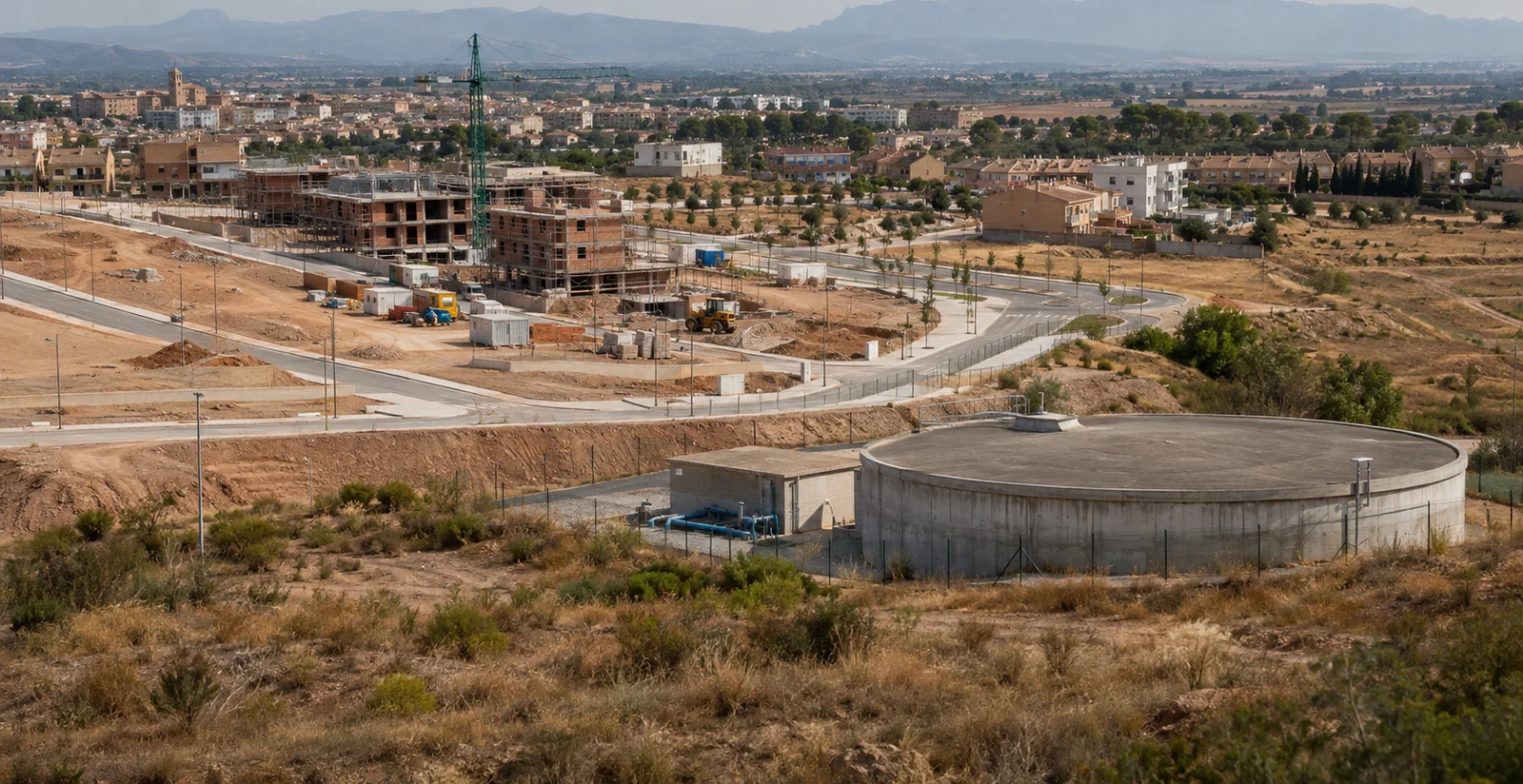
This stage makes it possible to identify from the outset which issues have to be resolved before moving forward and which conditions will have to be met before the transaction can finally be formalised. Planning is especially important where what is being acquired is a development under way, an asset that is not yet finished, a property subject to specific licences or authorisations, or a project whose future operation depends on a particular planning or administrative use.
Legal, planning and tourism due diligence
Due diligence is one of the central stages of the advice we provide on property matters. In the legal review we analyse title to the property, its position at the Land Registry and the encumbrances, mortgages, attachments, easements and other rights that may limit or condition its acquisition or operation. We also examine the construction or development documentation and the relevant contracts linked to the asset. Where there are advance payments, or the property is bought while still under construction, we study the legal regime governing sums paid on account and the guarantees securing them.
Where one or more tenanted dwellings are being acquired in Barcelona, we pay particular attention to the extraordinary complexity of the legal framework governing housing and residential and commercial tenancies. In this field, State legislation coexists with a dense body of Catalan rules, which govern housing, the residential stock, stressed residential market areas and intervention in the rental market according to criteria of their own. On occasion, the outcome of this review may make the purchase inadvisable or justify a reduction in the price.
The planning analysis runs in parallel. We review the applicable planning instruments, the classification and zoning of the land, the compatibility of the intended use, the building and operating licences, the history of the municipal case file and any other authorisations that may be required. Where the asset is to be operated as tourist accommodation, we also check that it holds the relevant administrative authorisation and that the property as it physically exists and as it is marketed matches the units, uses and capacity actually authorised. This analysis is particularly relevant because a property may be correctly registered and yet have planning or administrative problems that substantially affect its value or the use the buyer intends to make of it.
Due diligence should not be confined to listing contingencies. Our task is to determine which of them are genuinely relevant to the transaction, what consequences they may have and how they should then be reflected in the price, the conditions precedent, the guarantees or the decision to invest itself.
Earnest-money deposits, guarantees and property contracts
Once the risks have been identified and the structure of the transaction defined, we negotiate and draft the contractual documentation. In earnest-money deposit contracts and other preparatory agreements we pay particular attention to the conditions precedent, the payment schedule, the consequences of breach, the grounds for termination and the mechanisms for refunding sums paid in advance. In sale and purchase contracts and deeds we seek to ensure that the allocation of risk reflects the findings of the due diligence.
Contractual work is even more complex in transactions involving off-plan property or developments still under construction. In these cases the characteristics of the property, the condition in which it will be handed over, the requirements and documents needed for completion, the construction and handover deadlines and the consequences of any departure from what was envisaged must all be regulated precisely. Where payments are made before handover or before the works are finished, we examine closely the guarantees protecting the buyer, such as bank guarantees, surety insurance or other instruments securing the return of the sums paid if the transaction is not carried through on the agreed terms.
The preliminary analysis and the contractual work are thus part of a single strategy. Every risk identified must have an appropriate legal answer before the transaction is finally formalised.
Tax treatment of property transactions
Tax can substantially shape the structure of a property transaction and must be analysed before the main decisions are taken.
We examine the tax consequences of acquiring, holding, disposing of and operating the asset, in particular the treatment of VAT and of the “impuesto sobre transmisiones patrimoniales y actos jurídicos documentados” (transfer tax and stamp duty), as well as the other tax obligations attached to the transaction. Where the investment calls for a company or a special-purpose vehicle, we coordinate the tax treatment of the transaction with its commercial and financial structuring.
Tax is therefore part of the design of the transaction from the outset. It should not be analysed only when the time comes to settle the taxes, because it may have a bearing on the contractual structure, the financing, the payment schedule and even on whether particular alternatives are advisable.