
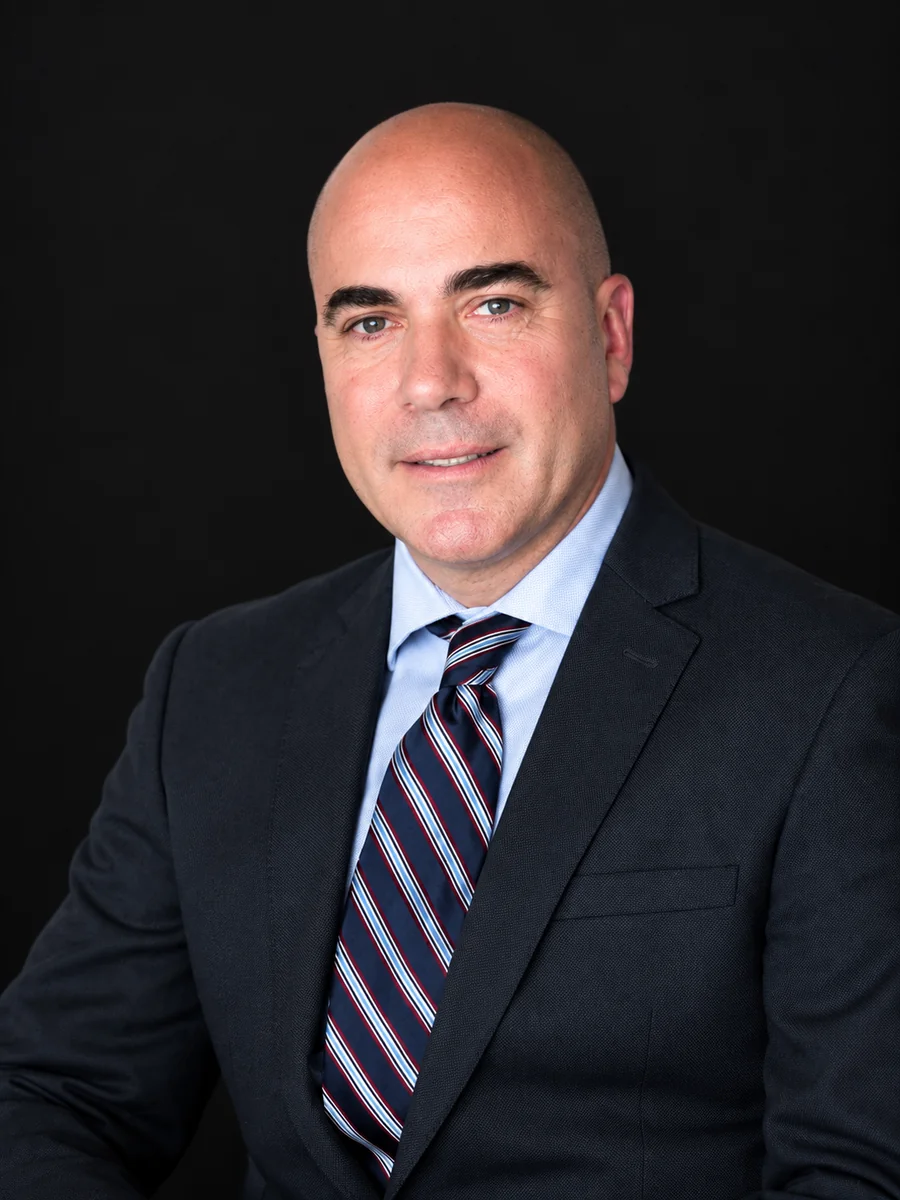
Fernando Sobrino
Tax adviser
Real estate Inheritance and succession Tax
Fernando Sobrino graduated in Business Administration and Management from EAE–Universitat Politècnica de Catalunya, where he studied between 1990 and 1994. He later completed his training with a Master's in Business Management and Administration from the Centro de Estudios Financieros (CEF) and, in 2002, took the Management Development Programme (Programa de Desarrollo Directivo, PDD) at IESE Business School. Throughout his career he has kept up continuous training in tax matters through various refresher and advanced courses at the CEF. He is a member of the Catalan Association of Economists (Col·legi d’Economistes de Catalunya) and of the Spanish Association of Tax Advisers (Asociación Española de Asesores Fiscales, AEDAF).
He began his professional career in the banking sector and later worked in the accounting department of a hotel group and as head of administration and finance at an industrial company. This experience gave him, from the start of his career, first-hand knowledge of the economic and financial reality of companies and of their accounting, budgeting and management processes.
His practice focuses on tax and accounting advice to companies and private wealth, with particular emphasis on corporate taxation, financial accounting and the analysis and interpretation of balance sheets and financial statements. He also has extensive experience in tax procedures and tax inspections, assisting clients both in planning and taking decisions with tax implications and in their dealings and disputes with the tax authorities. His combined knowledge of taxation, accounting and the financial reality of businesses enables him to approach each matter from a perspective that brings together its tax implications and its economic and business effects.
Publications
PublicationsSee more