Managing an owners' association in Barcelona demands of “administradores de fincas” —managing agents— an increasingly specialised knowledge of the rules on notices of meeting and general meetings, majorities, the challenging of resolutions, by-laws, the allocation of expenses, arrears, works on the common elements, accessibility, refurbishment, energy efficiency or restrictions on use. In Catalonia, moreover, condominium (“propiedad horizontal”) is governed by rules of its own, knowledge of which is essential in order to advise the associations in that territory properly.
For more than thirty years we have provided ongoing advice to associations and managing agents in the city, both in their day-to-day running and in the resolution of disputes between co-owners or between the association and third parties. Our service stands out for the speed of our response, for our legal rigour and, most particularly, for the continuous information we provide to the managing agent on the financial and legal position of each matter entrusted to us.
Governance of the association, meetings and resolutions
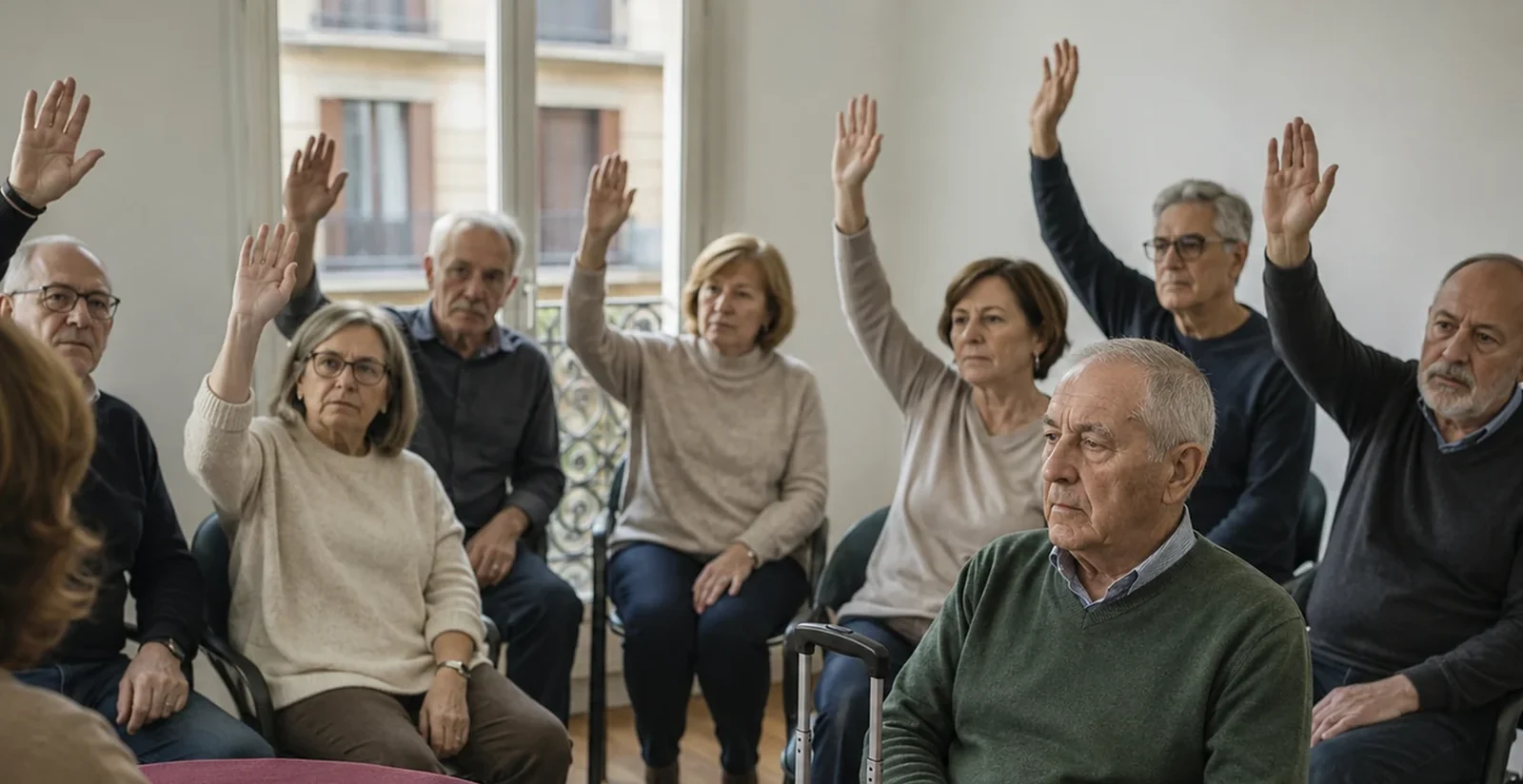
An essential part of our work consists in ensuring that the association's decisions are properly adopted. A defective notice of meeting, an insufficiently defined item on the agenda, a wrongly calculated majority or a resolution going beyond the powers of the general meeting can turn an apparently routine decision into a subsequent dispute.
We advise on the preparation of ordinary and extraordinary general meetings, on the drafting of the agenda and on the determination of the majorities required. We attend the meeting where the nature of the matter makes it advisable, we draft and review the resolutions and we examine both their enforceability and, where appropriate, their registration.
We pay particular attention to the deed of constitution, the by-laws and the house rules. Determining whether a particular course of action is permitted, whether a restriction on use may be imposed or what majority is needed to amend a rule of the association calls for the legislation, the deed of constitution and the resolutions already adopted to be examined together.
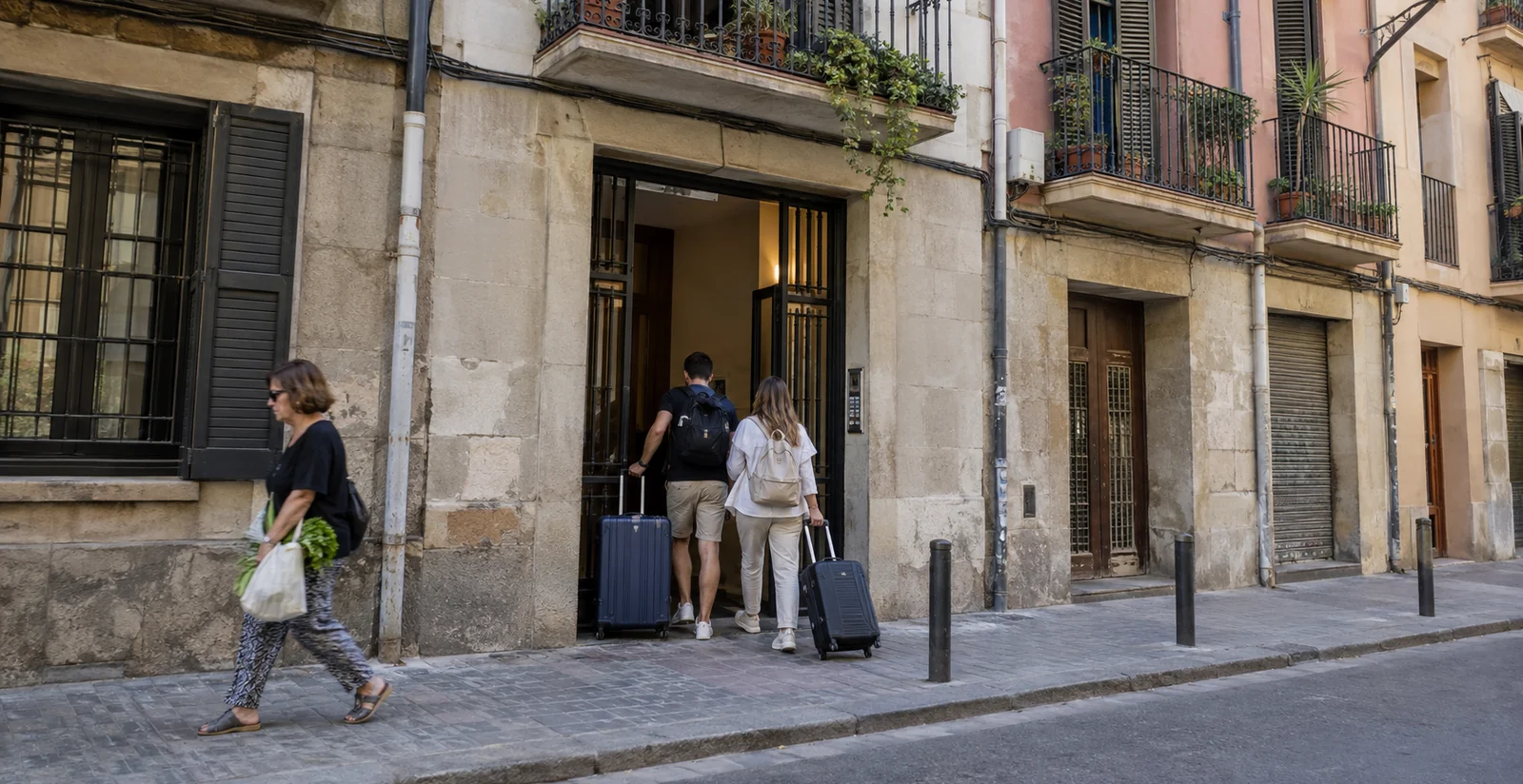
Restrictions on certain uses of dwellings and commercial premises, such as tourist accommodation activities, have taken on considerable importance. In these cases it is necessary to establish precisely what majority is required, what the scope of the resolution is and how it must be documented in order to take effect.
Where a resolution may be contrary to the legislation, to the deed of constitution or to the by-laws, may be abusive, may seriously harm an owner or may damage the interests of the association, we assess the possibility of challenging it in court or, from the association's position, of defending it against a challenge brought by a co-owner.
Common expenses, service charges and arrears
Financial management is one of the main sources of conflict in owners' associations. The allocation of expenses, extraordinary special levies, the exemptions provided for in the by-laws, the differentiated use of certain services and the non-payment of service charges call for a precise application of the statutory rules and of those of the association. We advise on the system for contributing to expenses, on the interpretation of participation quotas and of special quotas, on the apportionment of the cost of works and installations and on the validity of resolutions seeking to alter the criteria already established.
Arrears require a particularly orderly approach. An effective claim begins before the court proceedings. The debt must be correctly identified, the resolutions from which it derives must be verified, its enforceability must be documented and the requirements for claiming it must be met. Once the court claim has been commenced, we keep the managing agent promptly informed of every procedural and financial milestone as it occurs.
For the managing agent it is especially important to have a uniform legal judgement on this subject. Where numerous associations are managed, a sound policy for claiming and monitoring arrears prevents debts from accumulating and preserves the financial capacity each association needs in order to meet its obligations.
Common parts, works, accessibility and refurbishment
Distinguishing between privately owned units and common elements and determining the powers of each owner are a recurrent source of disputes. The enclosure of terraces, the occupation of courtyards or roofs, the installation of swimming pools, alterations to façades, works in commercial premises or dwellings, structural alterations, the exclusive use of certain parts or the installation of new services may affect at once the individual right of the owner and the interests of the association.
The “Código Civil de Cataluña”, Catalonia's Civil Code, contains specific rules on the common elements and on those of exclusive use, as well as on their conservation, maintenance and alteration. Catalan case law has clarified, among other questions, the limits of tacit consent in the face of works entailing a genuine occupation or transformation of common elements. It has also ruled on the association's entitlement to require the restoration of certain alterations carried out unilaterally.
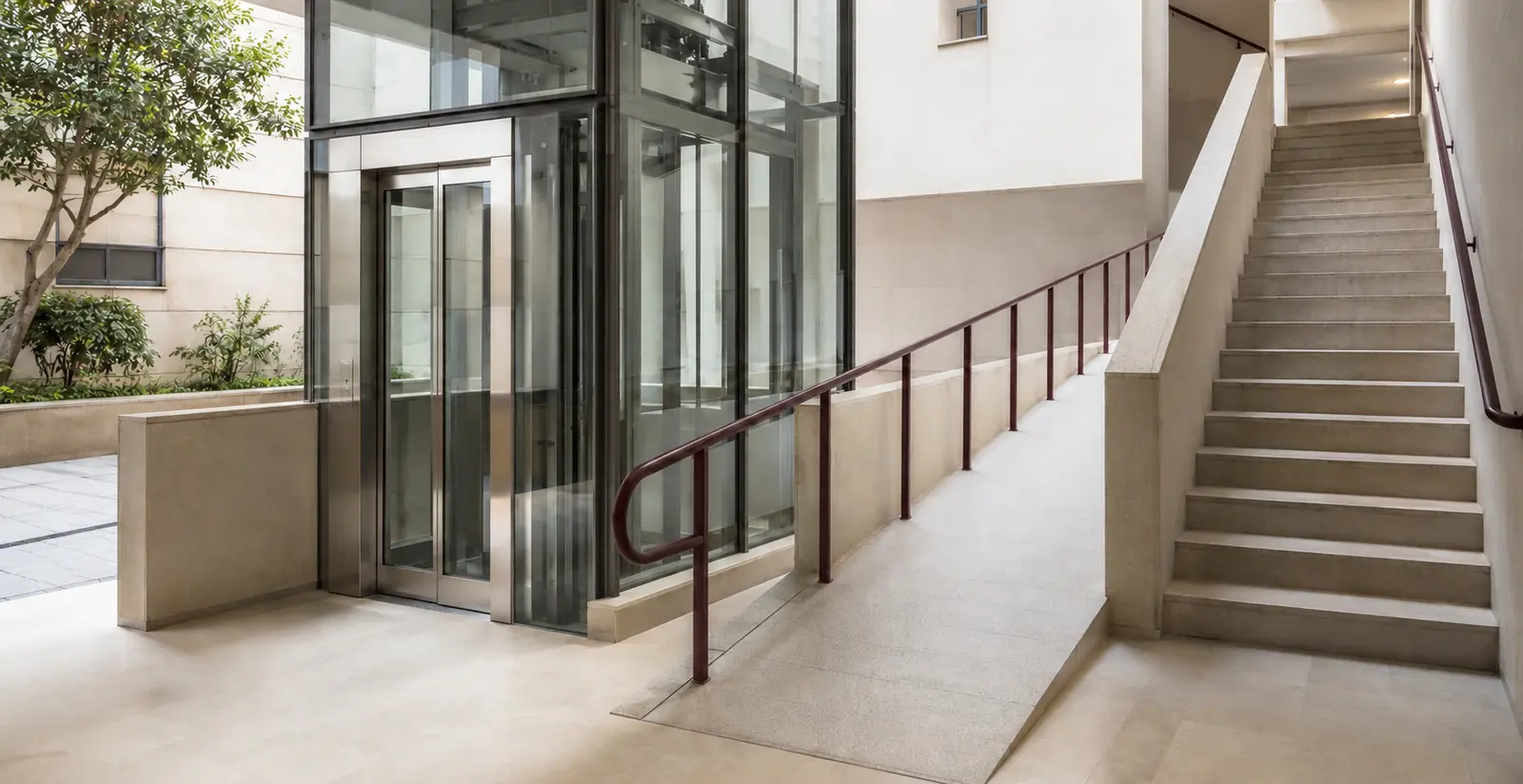
Accessibility, refurbishment and energy efficiency have, moreover, taken on a growing prominence. Associations must take decisions on the installation of lifts, the removal of architectural barriers, the upkeep of the building, energy and water efficiency, renewable energy or the adaptation of the common elements to the needs of their residents. Catalan legislation lays down specific rules for processing accessibility requests and for determining when the association has acted diligently. These situations call for particular attention to the content of the request, to its processing, to the resolutions that must be adopted and to the proper documentation of the entire process.
Our involvement also extends to claims for construction defects affecting common elements. In these matters it is essential to identify the origin of the damage, to determine the parties responsible, to assess the applicable time limits and to coordinate the legal analysis with the relevant technical reports.
Complex associations, sub-associations and condominium by plots
Not all associations fit the traditional model of a single building with dwellings and commercial premises. Today's property reality includes complexes of several buildings, residential estates, separate car parks, sports areas, swimming pools, gardens and services used by only certain groups of owners.
Catalan civil law expressly regulates complex condominium, which allows a development to be organised either as a single association with sub-associations or as a grouping of associations. Each privately owned unit may hold at once a quota in its sub-association and another in the development as a whole. Such structures call for precision as to which body must adopt each resolution, which owners are entitled to take part, how expenses are apportioned and which association is answerable for the upkeep or the management of each service.
Ongoing advice to managing agents
A significant part of our activity consists in providing ongoing legal advice to managing agents and to the owners' associations they manage. That continuing relationship makes it possible to work in a way that differs from the mere answering of isolated queries. Because we know the associations, their by-laws, their background and their recurrent disputes, we can respond quickly to the managing agent when a meeting has to be prepared, a resolution carried out, an incident resolved, works undertaken or a debt claimed.
We advise on notices of meeting and general meetings, the interpretation of by-laws, resolutions and majorities, works and special levies, common elements, relations between owners, prohibited or nuisance activities, accessibility, refurbishment, arrears and claims, as well as on any other question raised by the day-to-day management of an association. Our aim is to make the managing agent's work easier with clear and consistent legal judgement.
Condominium litigation
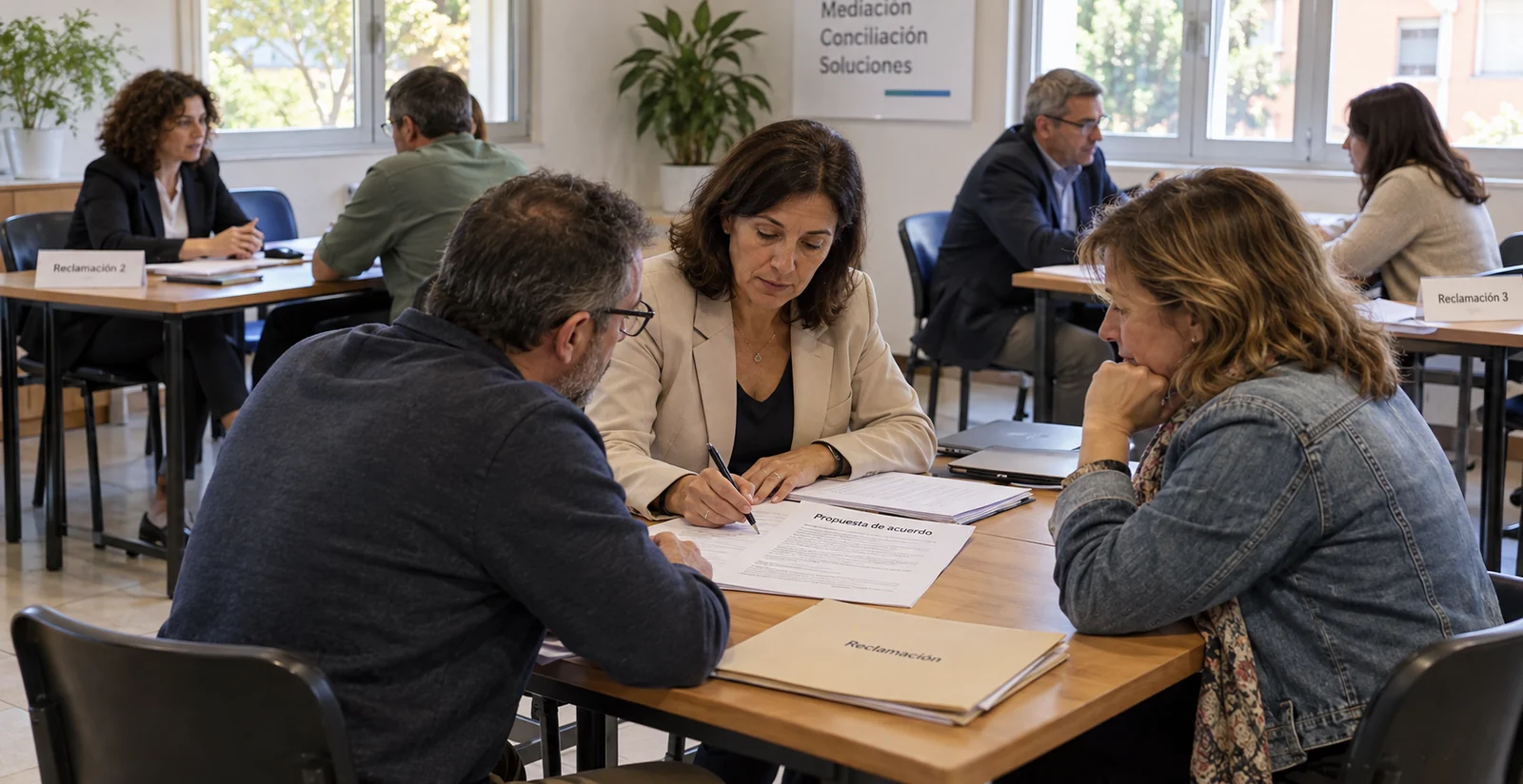
Where the dispute cannot be resolved within the association, we also take on its defence before the courts. Our practice covers claims for service charges and special levies, the challenging and the defence of the association's resolutions, actions for the cessation of activities (“acciones de cesación”), disputes over common elements and parts of exclusive use, unauthorised works, the allocation of expenses, liability for damage and construction defects, and the remaining proceedings arising from the condominium regime.
Knowledge of the law, experience in the day-to-day management of associations and litigation capability define our condominium practice. The aim is that the managing agent should be able to manage with confidence and that the association should have specialist advice before, during and, where it proves unavoidable, after the dispute.