Lifts, accessibility and the allocation of expenses: the Supreme Court's new case law and its contrast with the CCCat
The installation of lifts and accessibility works have traditionally been one of the focal points of conflict in condominium law (“propiedad horizontal”), both because of the need to remove architectural barriers and because of the allocation of the expenses and the possible exemptions. STS 277/2026 of 23 February, a judgment of the “Tribunal Supremo”, Spain's Supreme Court, has clarified, under the state “Ley de Propiedad Horizontal” —the LPH, the Spanish national condominium act—, that resolutions directly linked to the installation of the lift, including the allocation of expenses and the exemptions, are subject to the same majority as that required for the principal resolution, even where they involve amending the deed of constitution or the by-laws. The interest for Catalan law lies in analysing whether the regime of the “Código Civil de Cataluña” —the Catalan Civil Code, CCCat— leads to an equivalent solution or whether it calls for different treatment, in the light of arts. 553‑25 and 553‑26 CCCat and of the specific accessibility rules.
1.The state solution: a single majority for the lift and the associated resolutions
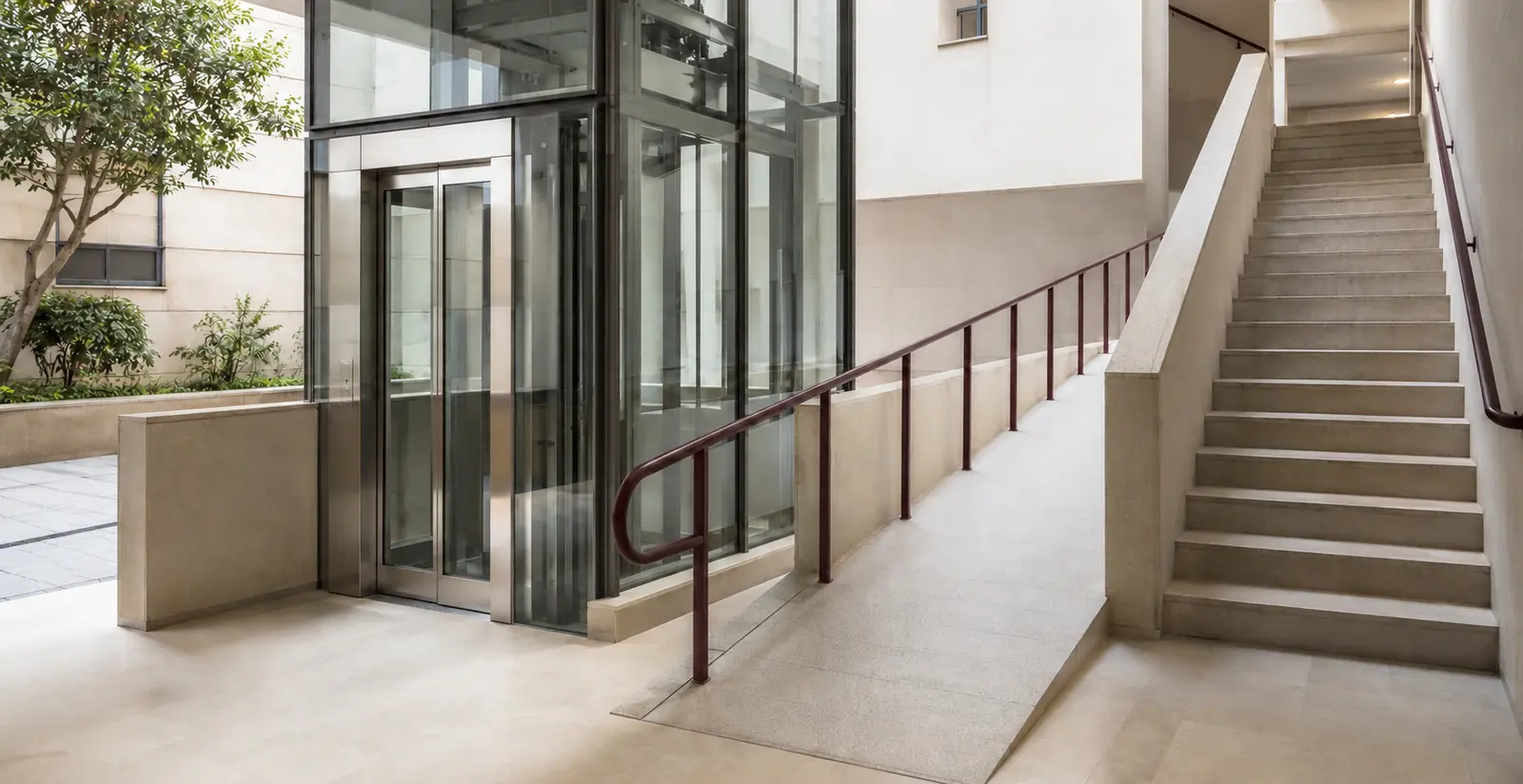
Under the state regime, the LPH has evolved towards a clear priority for accessibility. Art. 10 LPH makes compulsory the works needed for the proper maintenance and conservation of the building and, in particular, the works and measures needed to ensure reasonable accommodation in matters of universal accessibility, including the installation of lifts, where they are requested by owners in whose dwelling there live, work or provide services persons with a disability or persons over seventy years of age, within certain cost limits. Art. 17.2 LPH reinforces that approach by providing that the carrying out of works or the establishment of new common services whose purpose is the removal of architectural barriers and, in any event, the installation of a lift, even where they involve an amendment of the deed of constitution or of the by-laws, requires the favourable vote of a majority of the owners who in turn represent a majority of the participation quotas, and that, where resolutions for the carrying out of accessibility works are validly adopted, the association is bound to pay the expenses, even where the amount charged annually exceeds twelve ordinary monthly instalments of common expenses.
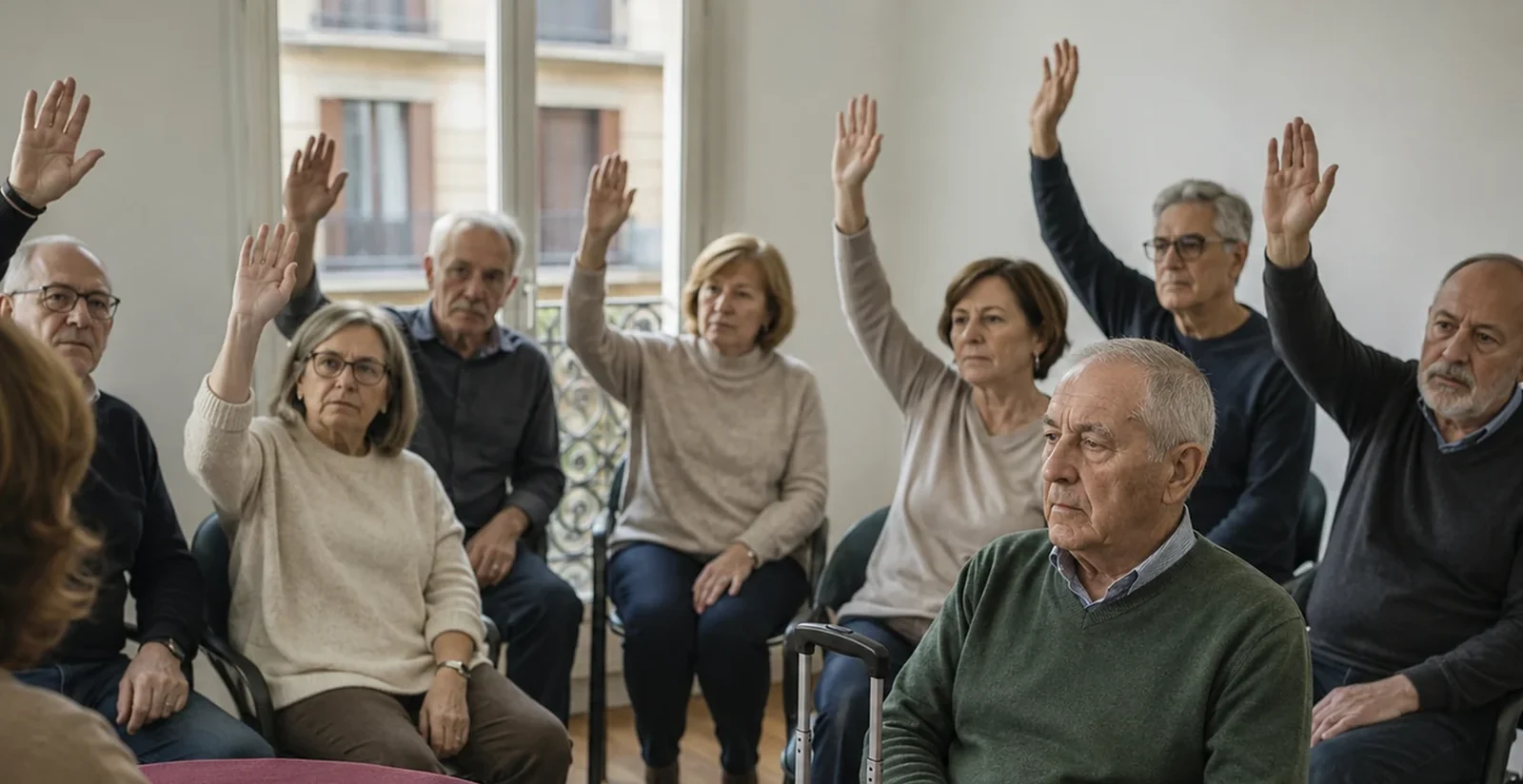
STS 277/2026 arises in this context and deals with a case in which the association had approved the installation of a lift and, at the same time, resolutions on the allocation of the expenses and on the exemption of certain owners, in particular those who were giving up privately owned storage rooms that were essential in order to carry out the works. The claimants challenged those associated resolutions, arguing that the exemption and the redistribution of quotas required unanimity because they involved an amendment of the deed of constitution and of the participation quotas. The Supreme Court dismisses the challenge and holds that resolutions directly linked to the installation of the lift, including those concerning the allocation of the expense and the exemption of certain owners, do not require unanimity, but rather the same majority as that required for the principal resolution on installation, even where they involve an amendment of the deed of constitution or of the by-laws.
The ratio decidendi rests on the settled case law of the Chamber, which relaxes the requirement of unanimity in matters of accessibility so as to prevent the need to amend the deed of constitution or the quotas from becoming an insurmountable obstacle to the installation of lifts. The Court takes the view that those associated resolutions form a “bloque unitario” (a single block) together with the principal resolution and that to require unanimity for them would deprive the priority given to accessibility of any content. It also rejects the argument that the exemption of certain owners amounts to serious prejudice to the others, stressing that the installation of the lift increases the value of the building as a whole and that the exemption responds to an objective and reasonable cause, namely the compulsory surrender of privately owned storage rooms.
2.The Catalan regime: majorities for accessibility works and amendments to the deed of constitution
In Catalonia, Book Five of the Civil Code lays down its own regime for the adoption of resolutions. Art. 553‑25 CCCat governs the general regime for adopting resolutions and provides that resolutions relating, among other matters, to the carrying out of works or to the establishment of services whose purpose is to remove architectural barriers, or to the installation of lifts, are adopted by a simple majority of the owners who have taken part in each vote, representing a simple majority of the quotas, even where the resolution entails the amendment of the deed of constitution and of the by-laws or affects the structure or the external configuration. The same provision includes within the simple majority the improvements required for habitability, accessibility, safety or energy efficiency, and the carrying out of works to install common infrastructure or equipment for the purpose of improving mobility or energy or water efficiency, as well as participation in energy communities.
Art. 553‑26 CCCat, for its part, provides that the favourable vote of all the owners entitled to vote is required in order to amend the participation quotas, to detach annexes, to attach the exclusive use of common elements to privately owned units, to grant the use of common elements free of charge, to create rights to build additional storeys above or below and to extinguish or transform the condominium regime. For other physical improvements affecting the structure or the external configuration, the de-designation of common elements, the creation or disposal of privately owned units held for the common benefit, the setting of special expense quotas or the increase of the share of common expenses on account of disproportionate use, the grant for consideration of the use of common elements for more than fifteen years and long-term financing contracts, the favourable vote of four fifths of the owners and of the quotas is required.
The key lies in the interaction between those two provisions. Art. 553‑25 allows the installation of lifts and accessibility works to be approved by a simple majority, even where they entail an amendment of the deed of constitution and of the by-laws or affect the structure, whereas art. 553‑26 reserves unanimity for the amendment of the participation quotas and for the attachment or detachment of common elements. The question is whether the resolutions associated with the installation of the lift, such as the allocation of expenses and the exemptions, may be regarded as covered by the simple majority of art. 553‑25 or whether, because they involve an amendment of quotas or of the nature of common elements, they require unanimity or a qualified majority.
3.Does the CCCat lead to the same solution as STS 277/2026?
STS 277/2026, under the state LPH, opts for a solution of a single majority: resolutions directly linked to the installation of the lift, including the allocation of expenses and the exemptions, follow the majority required for the principal resolution, even where they involve amending the deed of constitution or the by-laws. Under the Catalan regime, art. 553‑25 already expressly provides that the installation of lifts and accessibility works may be approved by a simple majority even where they entail an amendment of the deed of constitution and of the by-laws or affect the structure or the external configuration. That provision comes close to the logic of the STS, in so far as it relaxes the requirements of unanimity or of qualified majorities in order to facilitate accessibility.
Art. 553‑26, however, maintains the requirement of unanimity in order to amend the participation quotas and to attach the exclusive use of common elements to privately owned units, and the requirement of four fifths in order to set special expense quotas or increases in the share of expenses on account of disproportionate use. This suggests that, in Catalonia, the redistribution of participation quotas or the exemption of certain owners from paying common expenses might require unanimity or a qualified majority, even where it is linked to the installation of a lift. The question is whether it may be interpreted that, where the allocation of expenses and the exemptions are “directamente vinculados” (directly linked) to the accessibility works, they are absorbed into the simple-majority resolution under art. 553‑25, or whether the Catalan system requires separate treatment.
A strict reading of the CCCat would lead to a distinction between the resolution on the installation of the lift, which is approved by a simple majority, and resolutions amending quotas or setting special expense quotas, which require unanimity or four fifths. On that interpretation, the association could approve the installation of the lift by a simple majority, but could not exempt certain owners or alter the distribution of expenses without reaching the enhanced majorities. That could hinder flexible solutions such as those accepted by STS 277/2026, where the exemption is justified by the surrender of privately owned storage rooms.
The logic of accessibility and the social function of property, which are also recognised in Catalan law, might nevertheless justify an integrating interpretation. Art. 553‑25 refers to “innovaciones exigibles” (required improvements) for habitability, accessibility and safety, and allows them to be approved by a simple majority even where they affect the deed of constitution and the by-laws. It may be argued that, where the redistribution of expenses and the exemptions are strictly necessary in order to make the accessibility works possible, they form part of the required improvement and are absorbed into the simple-majority resolution. In that case, the amendment of quotas or the setting of special quotas would be seen as a functional adjustment, not as a freestanding alteration of the association's financial regime.
The absence, in the information available, of any specific Catalan case law on this point makes it impossible to state with certainty that the CCCat leads to the same solution as STS 277/2026. The structure of art. 553‑25, however, which relaxes the majorities for accessibility works even where they affect the deed of constitution and the by-laws, provides a basis for a convergent interpretation, provided that the core protection of the participation quotas is respected and arbitrary exemptions are avoided.
4.Accessibility, the allocation of expenses and the protection of dissenting owners
In both the state and the Catalan regimes, accessibility is configured as a priority objective, linked to the protection of persons with a disability and of older persons, and to the social function of property. The Spanish Constitution, in art. 49, and the “Ley General de derechos de las personas con discapacidad” —the General Act on the rights of persons with disabilities— insist on universal accessibility and on reasonable accommodation. The LPH and the CCCat incorporate that logic by allowing accessibility works to be approved by more flexible majorities and by obliging the association to bear the expenses, even where they exceed certain thresholds.
The allocation of expenses and the protection of dissenting owners belong to this framework. STS 277/2026 rejects the argument that the exemption of certain owners amounts to serious prejudice to the others, stressing that the installation of the lift increases the value of the building and that the exemption responds to an objective cause. In Catalonia, art. 553‑45 CCCat allows special expense quotas or increases in the share of expenses to be set on account of disproportionate use of common elements or services, by a four-fifths majority, which provides an instrument for adjusting the allocation of expenses by reference to benefit or use. The association may, for example, provide that commercial premises are to contribute to a lesser extent to the expenses of the lift if their use of it is limited, or that those who benefit most from accessibility are to bear a greater share.
The protection of dissenting owners is given effect through the possibility of challenging resolutions that are contrary to the law or to the by-laws, that are seriously prejudicial to the association or to any owner, or that amount to an abuse of rights. In Catalonia, art. 553‑31 CCCat governs the challenging of resolutions, and the case law has been alert to the need to prevent accessibility from becoming a pretext for imposing disproportionate burdens on particular owners. The balance between accessibility and an equitable allocation of expenses will, here too, be an area to be built up through case law.
5.Conclusions
STS 277/2026 has taken an important step in consolidating accessibility as a priority in state condominium law, by holding that resolutions directly linked to the installation of the lift, including the allocation of expenses and the exemptions, follow the majority required for the principal resolution, even where they involve amending the deed of constitution or the by-laws. That single-majority solution prevents the requirement of unanimity for amendments to the deed of constitution from becoming an obstacle to accessibility.
In Catalonia, the regime of the Civil Code, with arts. 553‑25 and 553‑26, offers a different but potentially convergent structure. The installation of lifts and accessibility works may be approved by a simple majority, even where they entail an amendment of the deed of constitution and of the by-laws, whereas amendments to quotas and special expense quotas require unanimity or qualified majorities. The question whether the resolutions associated with the lift, such as the allocation of expenses and the exemptions, are absorbed into the simple majority or call for enhanced majorities remains open and will require careful interpretation.
For work focused on Catalonia, the value lies in exploring this tension, analysing the compatibility between the priority given to accessibility and the protection of the participation quotas, and proposing criteria which make it possible, at the same time, to facilitate the installation of lifts and to guarantee an equitable allocation of the expenses. The comparison with the state solution and attention to the social function of property and to the rights of persons with a disability will be key elements in this development of academic commentary and case law.