Unfinished works, liability intact: the architect's liability before acceptance of the works following STS 643/2026
Judgment 643/2026 of 28 April of the “Tribunal Supremo” —Spain's Supreme Court— deals with a case concerning a single-family house whose construction was left unfinished and which was never formally accepted in accordance with article 6 of the “Ley de Ordenación de la Edificación”, the LOE, Spain's building legislation. Despite this, the architect had made errors in the design and in the professional supervision of the works and had signed a “certificado final de obra”, a final works certificate, which did not correspond to reality. The Supreme Court rejects the argument that the absence of completion and acceptance may serve the architect as a means of escaping liability, and stresses that the LOE governs the building process and the professional obligations arising in the course of it. The decision makes it possible to examine acceptance of the works, the final certificate, errors of design and supervision, the difference between LOE liability and contractual liability and the principle that no one may benefit from their own breach, with particular interest in the Catalan context.
1.The case of the unfinished single-family house and the architect's position
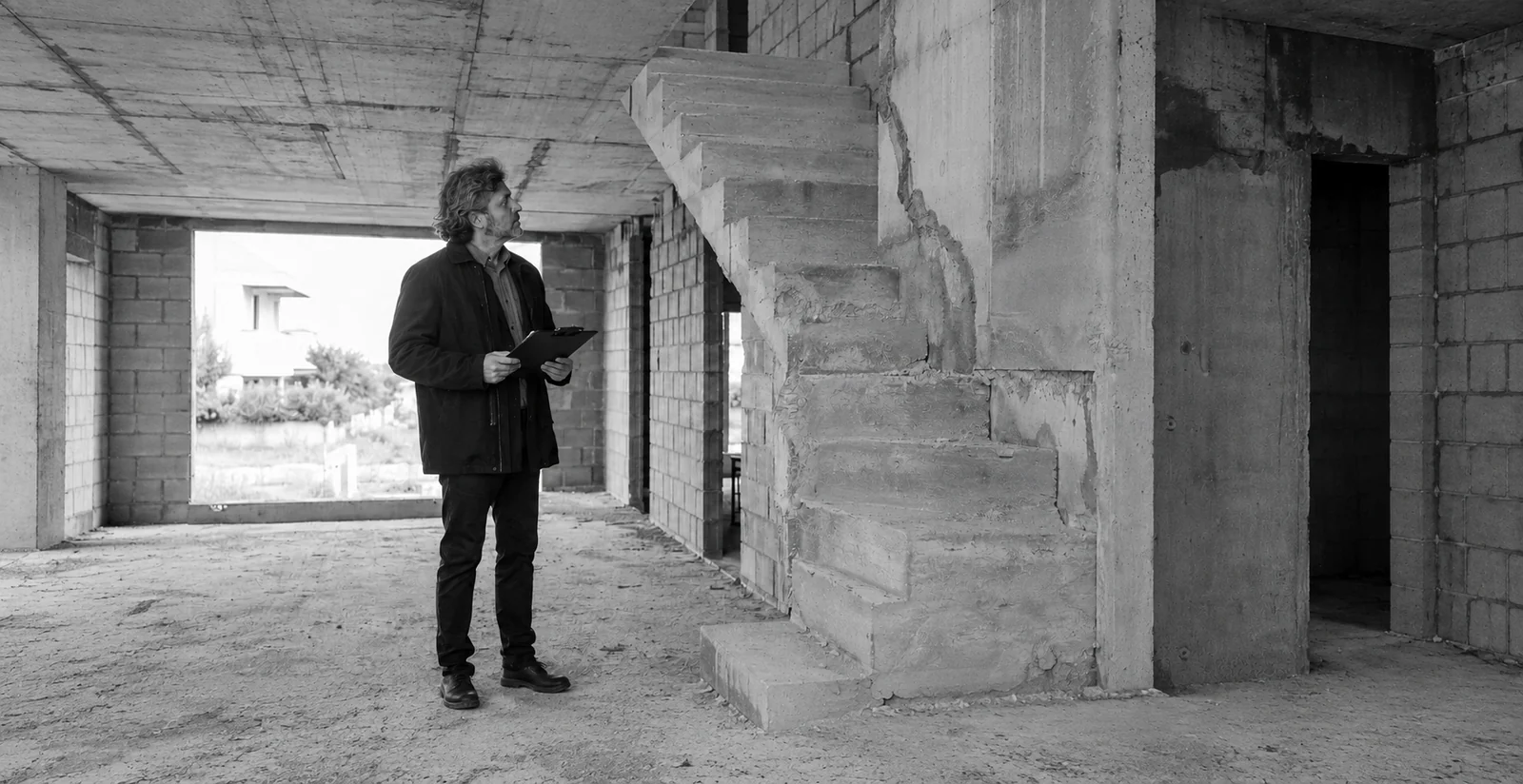
STS 643/2026 determines a cassation appeal brought by an architect held liable at second instance by the “Audiencia Provincial” of Barcelona, the provincial appeal court, in connection with a single-family house in Vidreres. The developer had contracted for the construction of the house on a turnkey basis and, in the course of the works, the semi-basement floor was substantially enlarged without the corresponding amendment of the design or the necessary structural reinforcement. The construction company abandoned the works, which were left unfinished, and the developer sued both the construction company and the architect, seeking termination of the contract and damages for the loss arising from the structural defects and from the works items not carried out.
The court of first instance partly upheld the claim against the construction company, declaring the contract terminated and ordering it to pay damages, but dismissed the claim against the architect on the ground that there was no direct contractual link with the developer and that liability under the LOE could not be invoked because the works had not been accepted. The Audiencia Provincial partly reversed that judgment and also held the architect liable in non-contractual liability, on the basis of the LOE, taking the view that his errors of design and supervision had given rise to serious defects compromising the stability of the building. The architect brought a cassation appeal, arguing that the LOE applies only to works which have been built and accepted and that, since there had been no acceptance, no liability could be required of him under articles 17 et seq. of that Act.
The Supreme Court dismisses the appeal and upholds the finding of liability, rejecting the argument that the absence of completion and acceptance excludes the application of the LOE and the architect's liability for the damage arising from his professional conduct.
2.The LOE as legislation governing the building process and not only the completed building
The key to STS 643/2026 lies in the interpretation of the scope of the LOE. Article 1 defines its purpose as the regulation, in its essential aspects, of the building process, laying down the obligations and liabilities of the parties involved in that process, together with the guarantees needed to secure quality through compliance with the basic requirements for buildings and the proper protection of users' interests. Article 2 states that the Act applies to the act and the result of constructing a building of a permanent nature, whether public or private, and article 3 lists the basic requirements for building, relating to functionality, safety and habitability.
The Supreme Court stresses that the LOE is not confined to governing liability for damage in buildings which have been completed and accepted; it addresses the building process as a whole and the professional obligations arising in the course of it. The “agentes de la edificación” —the parties involved in the building process—, defined in article 8 as all natural or legal persons taking part in that process, have obligations determined by the Act and by the contract giving rise to their involvement. The “proyectista” —the designer—, under article 10, must draw up the design in accordance with technical and planning rules, and the “director de obra” and the “director de la ejecución de la obra” —the professionals supervising the works and their execution—, under article 17, are answerable for the truth and accuracy of the “certificado final de obra”, the final works certificate, and for any omissions, deficiencies or imperfections in the design.
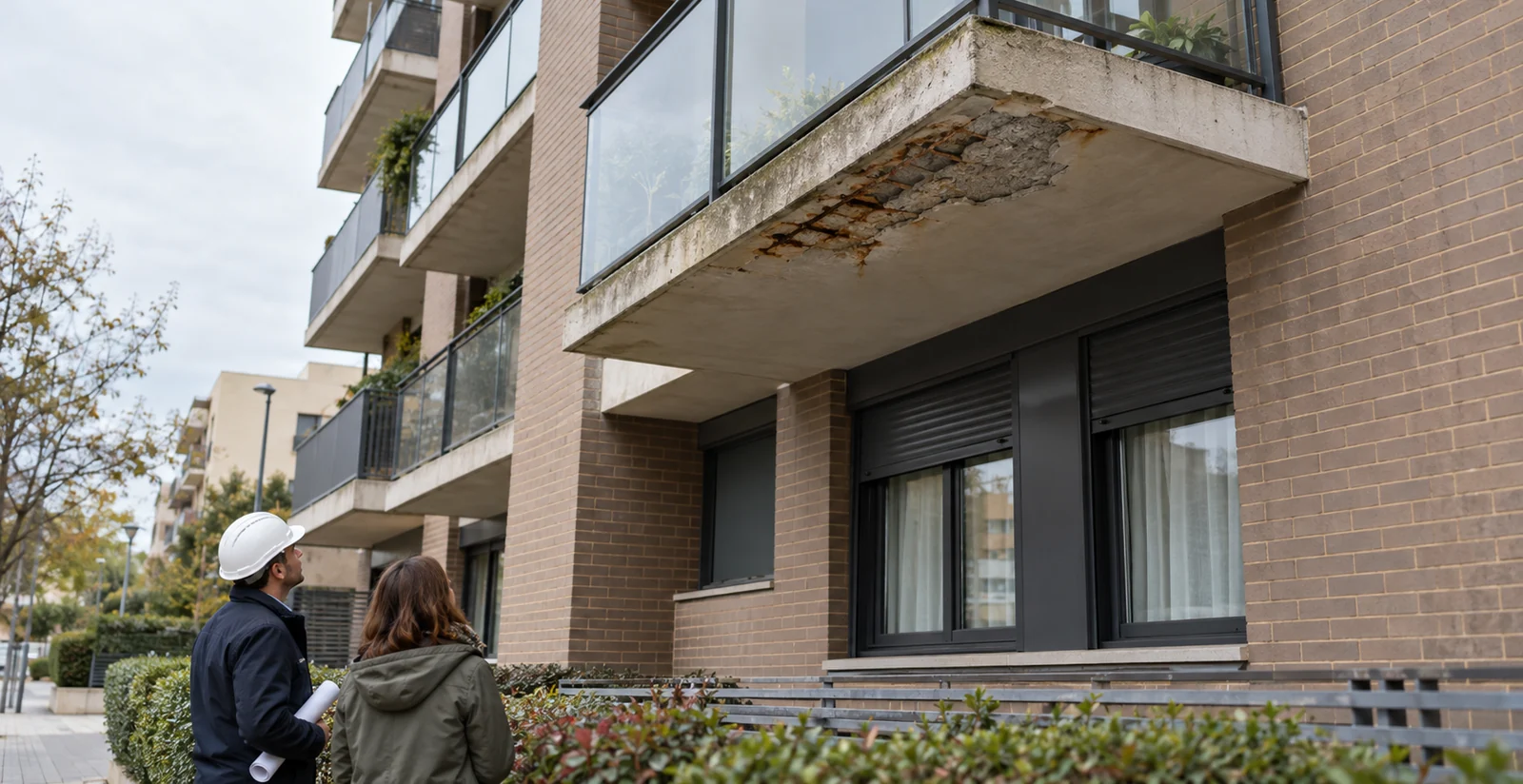
Acceptance of the works, governed by article 6, is the act by which the builder hands the works over to the developer and the latter accepts them, with or without reservations, and it must be set out in a formal record signed by the developer and the builder. Acceptance marks the start of the periods of liability and guarantee laid down in the LOE, under article 6.5 and article 17.1, which sets periods of ten years for structural damage, three years for damage affecting habitability and one year for damage relating to finishes. The absence of formal acceptance does not, however, erase the obligations assumed by the parties involved during the process, nor does it prevent liability being required of them for damage caused by their negligent conduct.
3.Acceptance of the works, the final certificate and errors of design and supervision
In the Vidreres case the works were left unfinished and the formal acceptance provided for in article 6 never took place, but the architect had signed a final works certificate which did not correspond to reality, since the construction had been carried out to a percentage of less than 61.50 per cent. The Supreme Court points out that the final works certificate, which must be signed by the “director de obra” and the “director de la ejecución”, performs an essential function in the building process, in that it attests to the completion of the works or of a complete and finished phase and serves as the basis for acceptance and for the documentation of the works carried out, which is included in the “Libro del Edificio”, the building's record book, in accordance with article 7.
The issue of an untrue final works certificate, stating that the works are complete when they are not, amounts to a serious breach of the architect's professional obligations. Article 17.7 provides that the “director de obra” and the “director de la ejecución” who sign the final certificate are answerable for the truth and accuracy of that document, and that anyone who accepts the supervision of works whose design he has not prepared assumes the liabilities arising from any omissions, deficiencies or imperfections in the design, without prejudice to any right of recourse against the designer. STS 643/2026 applies those provisions and holds that the architect cannot rely on the absence of acceptance in order to escape liability arising from a false final certificate and from errors of design and supervision.
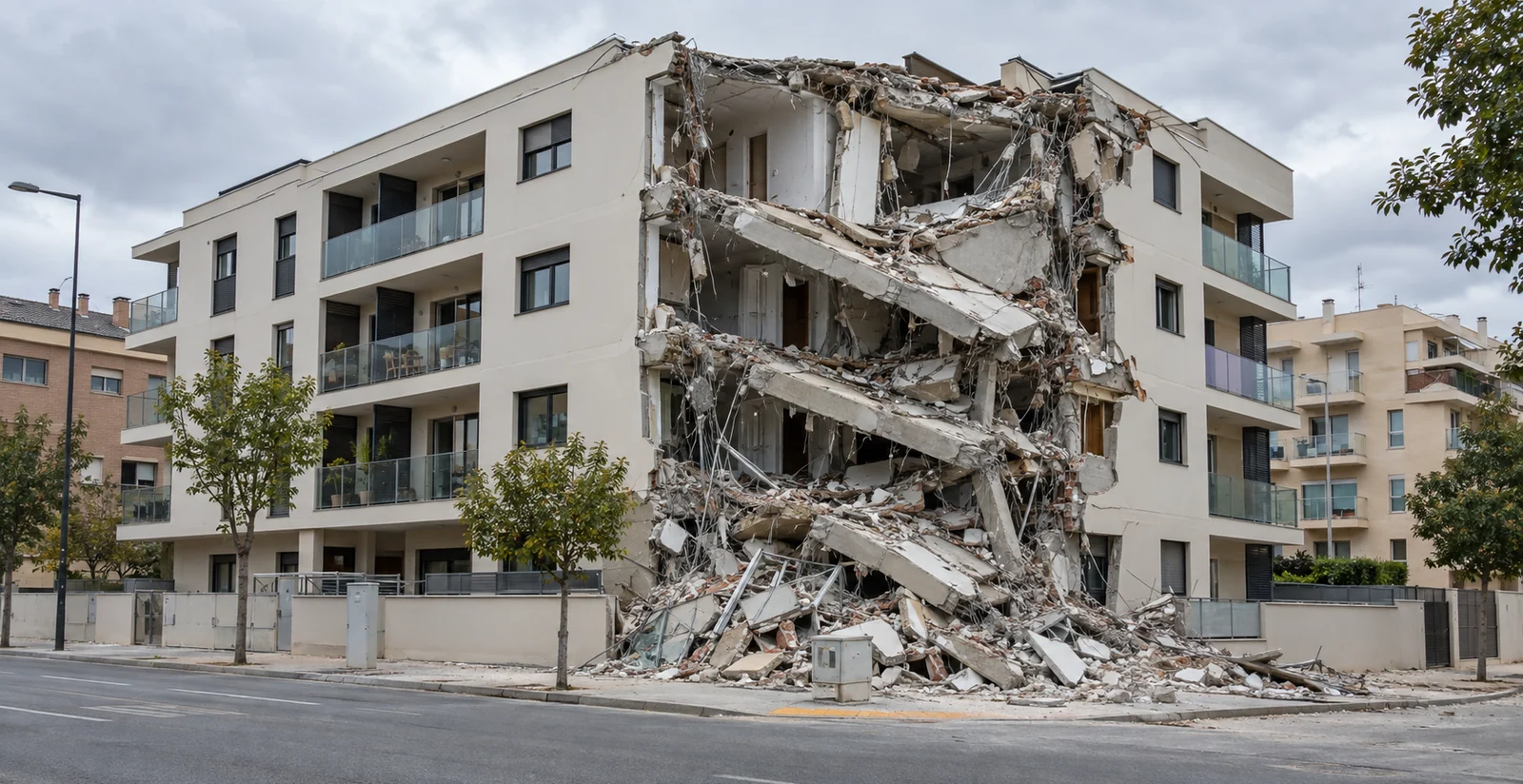
In addition, the enlargement of the semi-basement floor without the corresponding amendment of the design or the necessary structural reinforcement gave rise to serious defects compromising the stability of the building and affecting structural elements such as foundations, supports, beams, floor slabs and load-bearing walls, within the meaning of article 3.b.1. The liability of the designer and of the “director de obra” for those errors falls within the LOE regime even though the works have not been formally accepted, because the Act addresses obligations and liabilities during the building process, and not only in the stage following acceptance.
4.LOE liability, contractual liability and the principle that no one may benefit from their own breach
STS 643/2026 distinguishes between the contractual liability arising from the link between the developer and the construction company and the specific liability of the parties involved in the building process under the LOE. The developer had sued the construction company for breach of the turnkey contract, and the order made against it was based on termination of the contract and on damages. The architect's liability, by contrast, was framed as non-contractual liability on the basis of the LOE, since there was no direct contract between the developer and the architect. The Supreme Court confirms that the LOE may serve as a basis for requiring liability of the parties involved in the building process even where there is no direct contractual link with the injured party, in so far as the Act lays down statutory obligations and a regime of liability towards owners and third-party purchasers.
Article 17.1 provides that, without prejudice to their contractual liabilities, the natural or legal persons taking part in the building process are to be liable to the owners and third-party purchasers of buildings for physical damage caused to the building within the periods indicated, running from the date of acceptance without reservations or from the remedying of any such reservations. STS 643/2026 construes that provision as meaning that LOE liability is not exhausted in cases of buildings which have been completed and accepted, but extends to damage caused by negligent conduct during the process, even where the works are left unfinished through the default of the construction company and of the architect himself.
The principle that no one may benefit from their own breach plays a central role in the reasoning. The architect sought to rely on the failure to complete and accept the works in order to escape liability, when that failure to complete was directly linked to his own negligent conduct and to that of the construction company. The Supreme Court rejects that defence, observing that to allow the architect to benefit from the absence of acceptance, brought about in part by his errors of design and supervision and by the issue of a false final certificate, would run counter to the doctrine of “actos propios” —a party being bound by his own previous conduct— and to the general principle that no one may take advantage of their own breach.
The Division stresses that the LOE addresses the building process and the professional obligations arising in the course of it, and that the liability of the parties involved cannot be made conditional solely on formal acceptance having taken place. The absence of acceptance may have effects on the calculation of the guarantee periods, but not on the very existence of liability for damage caused by negligent conduct during the works.
5.Tacit acceptance, guarantee periods and the connection with Catalan law
STS 643/2026 is handed down in a context in which acceptance of the works may be either express or tacit. Article 6.4 of the LOE provides that, unless otherwise agreed, acceptance is to take place within thirty days of the date of completion attested in the final works certificate, and that it is to be deemed to have taken place tacitly if, thirty days after that date, the developer has not set out reservations or a reasoned refusal in writing. In the Vidreres case the works were not complete and the final certificate was untrue, which rules out any tacit acceptance. The absence of acceptance does not, however, prevent the developer from claiming for the damage arising from errors of design and supervision, or liability from being required of the architect.
The Catalan connection of the case, since it concerns a dwelling in Catalonia and a decision of the Audiencia Provincial of Barcelona, is a reminder that the “Código Civil de Cataluña”, the Catalan Civil Code, governs the sale of dwellings and liability for latent defects but refers to the LOE as regards the liability of the parties involved in the building process. Article 17.9 of the LOE provides that liability for damage is to be understood without prejudice to that of the seller towards the buyer under the contract of sale and the “Código Civil”, the Spanish Civil Code. In Catalonia the seller of a dwelling may be liable for latent defects and for failure to meet habitability requirements, but the specific liability of the architect and of the other parties involved is governed by the LOE, which is basic State legislation.
STS 643/2026 reinforces the idea that the LOE applies in Catalonia to the parties involved in the building process, including in cases of unfinished works, and that liability may be required of the architect on the basis of that Act even where there is neither formal acceptance nor a direct contract with the developer. The coordination between the LOE and Catalan civil law is organised around the protection of the buyer and the user of the dwelling and the allocation of liabilities among seller, developer, builder, architect and the other parties involved.
6.Conclusion: unfinished works, liability intact
STS 643/2026 gives a clear answer to the question whether the LOE may be applied and liability required of the architect where the works are left unfinished and no formal acceptance takes place. The Supreme Court answers that it may, that the LOE governs the building process and the professional obligations arising in the course of it, and that the absence of completion and acceptance cannot serve the architect as a means of escaping liability for errors of design and of professional supervision of the works and for the issue of untrue final certificates.
Acceptance of the works and the final certificate remain key elements of the system, in particular for the calculation of the guarantee periods, but they are not conditions for liability to exist. The parties involved in the building process are liable for the damage caused by their negligent conduct during that process and may not benefit from their own breach in order to avoid that liability. The distinction between LOE liability and contractual liability, the function of the final certificate, the relevance of errors of design and supervision and the principle that no one may benefit from their own breach are consolidated as central elements of civil liability in building.
For professional practice, the judgment is a clear warning to architects and other building professionals: final certificates must be issued strictly in accordance with the actual state of the works, substantial amendments to the design must be formally incorporated and calculated, and the absence of acceptance is no shield against liability where serious errors have been committed during the works. Unfinished works do not mean diminished liability; on the contrary, the architect's liability remains intact in so far as his conduct has contributed to causing damage in the building process.