We advise and defend companies, professionals and individuals in civil liability matters and in claims for damages arising from professional, medical or healthcare practice, from construction, from defective products or from road traffic accidents, as well as in the “responsabilidad patrimonial de las Administraciones públicas” —the liability of public authorities in damages—.
Civil liability is not a uniform regime. The nature of the damage, its origin, the relationship between the parties and the field in which it arises determine different rules, avenues of claim, evidentiary criteria and systems of assessment. To these are added specific bodies of rules of decisive importance in construction, products, road traffic or healthcare and administrative activity. The initial assessment makes it possible to define with the client the appropriate strategy for claiming, negotiating or defending their position before the courts.
Professional liability
Every professional service provided by lawyers, accountants, tax advisers, architects, engineers, IT professionals, psychologists, etc. gives rise to duties whose scope cannot be assessed in the abstract. To determine whether there is liability, it is necessary to know what the professional was instructed to do, what obligations they assumed, what conduct could reasonably be required of them in the specific circumstances and whether there is a causal link between the conduct in question and the loss for which compensation is sought.
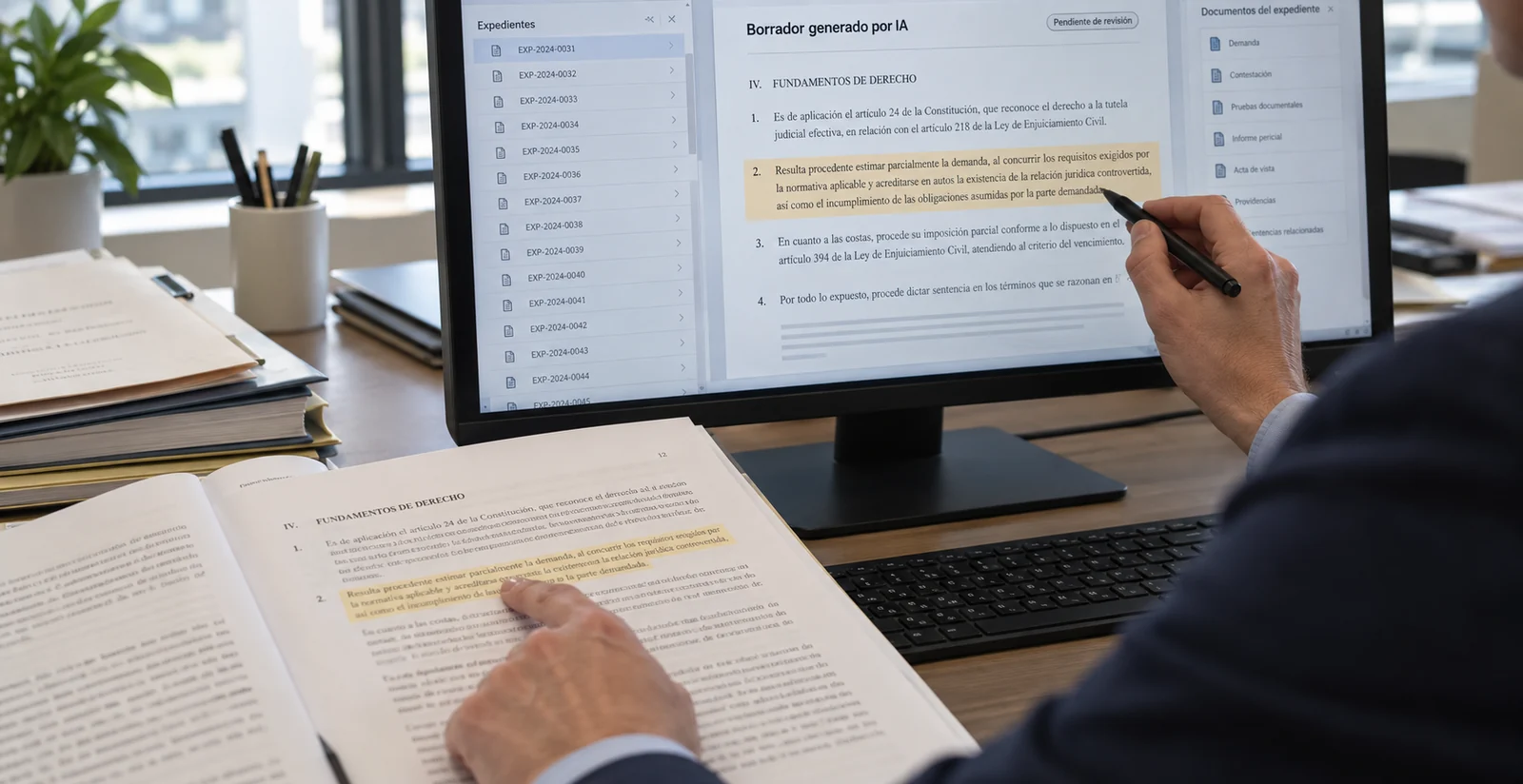
In these matters, we analyse both the position of the party who considers that they have suffered damage and that of the professional against whom the claim is brought. The contractual documentation, the background to the relationship, the communications exchanged, the decisions taken while the service was being provided and the technical evidence available are usually decisive in reconstructing what happened and delimiting responsibilities. A particularly complex question is distinguishing between improper conduct and the actual occurrence of compensable damage. Not every breach causes the loss claimed. In certain cases, the causal analysis calls for an assessment of what would have happened had the professional acted otherwise.
Where there is professional liability insurance, we bring the terms of the policy, the definition of the insured risk and the insurer's position into the analysis from the outset, so that this dimension of the matter is not relegated to the background.
Medical and healthcare liability
The liability of healthcare professionals doctors, surgeons, nurses, dentists, etc. requires a combined analysis of the care provided, the information available when the clinical decisions were taken, the patient's progress and the possible connection between the conduct in question and the outcome that occurred.
An adverse outcome does not in itself entail liability. It is necessary to reconstruct the care provided, examine the medical records and assess on technical grounds whether the treatment complied with the requirements of the medical practice applicable to the case. In these proceedings, the quality of the medical expert evidence and its proper integration into the legal argument are essential. Our practice also covers disputes over the information given to the patient and informed consent, the rules on which impose specific duties of information and documentation in the care relationship.
In addition, the applicable regime and the avenue of claim may vary depending on whether the care was provided privately or within the public health system. Before bringing a claim it is therefore essential to identify correctly the parties involved, the basis of liability and the appropriate avenue.
Construction and building
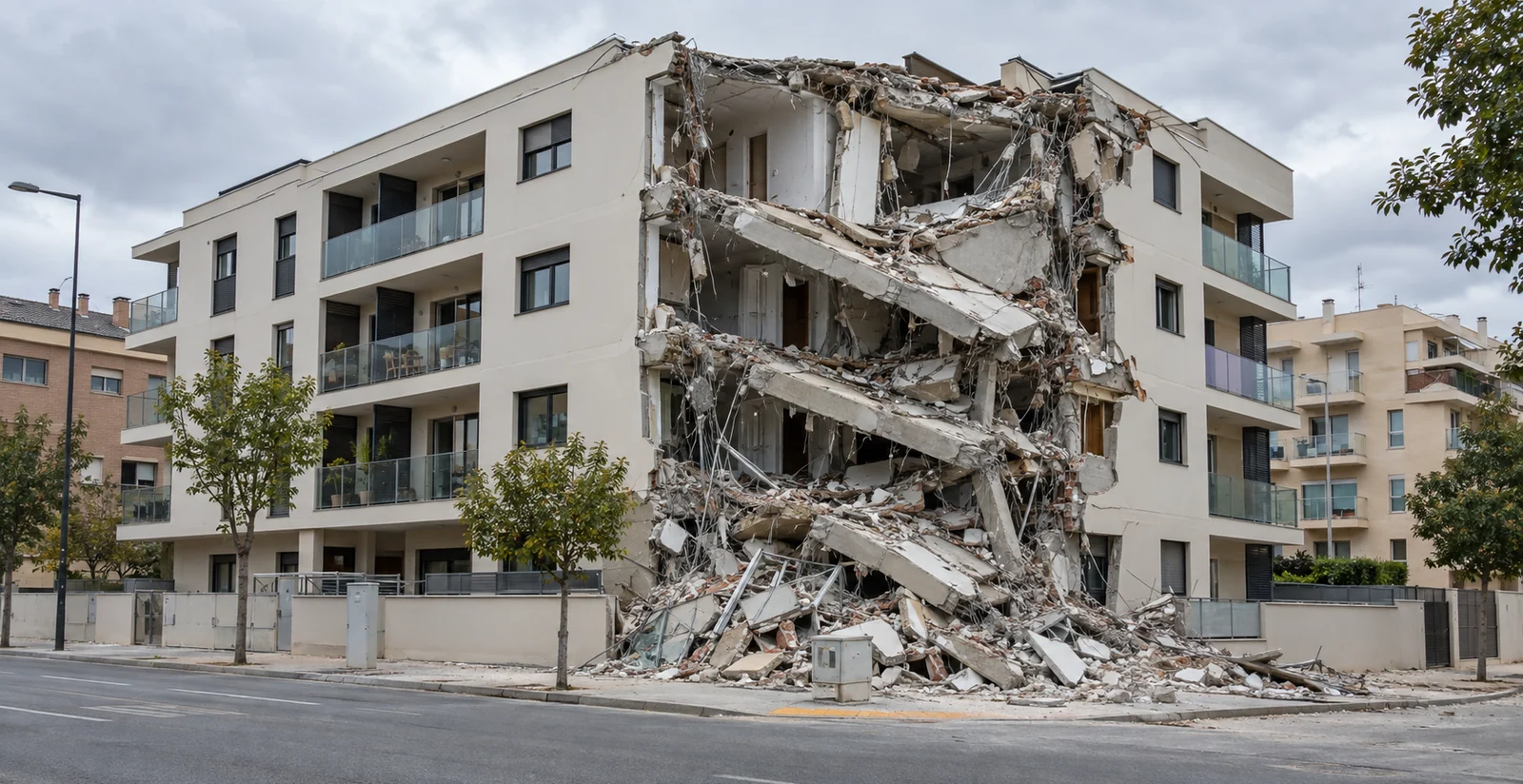
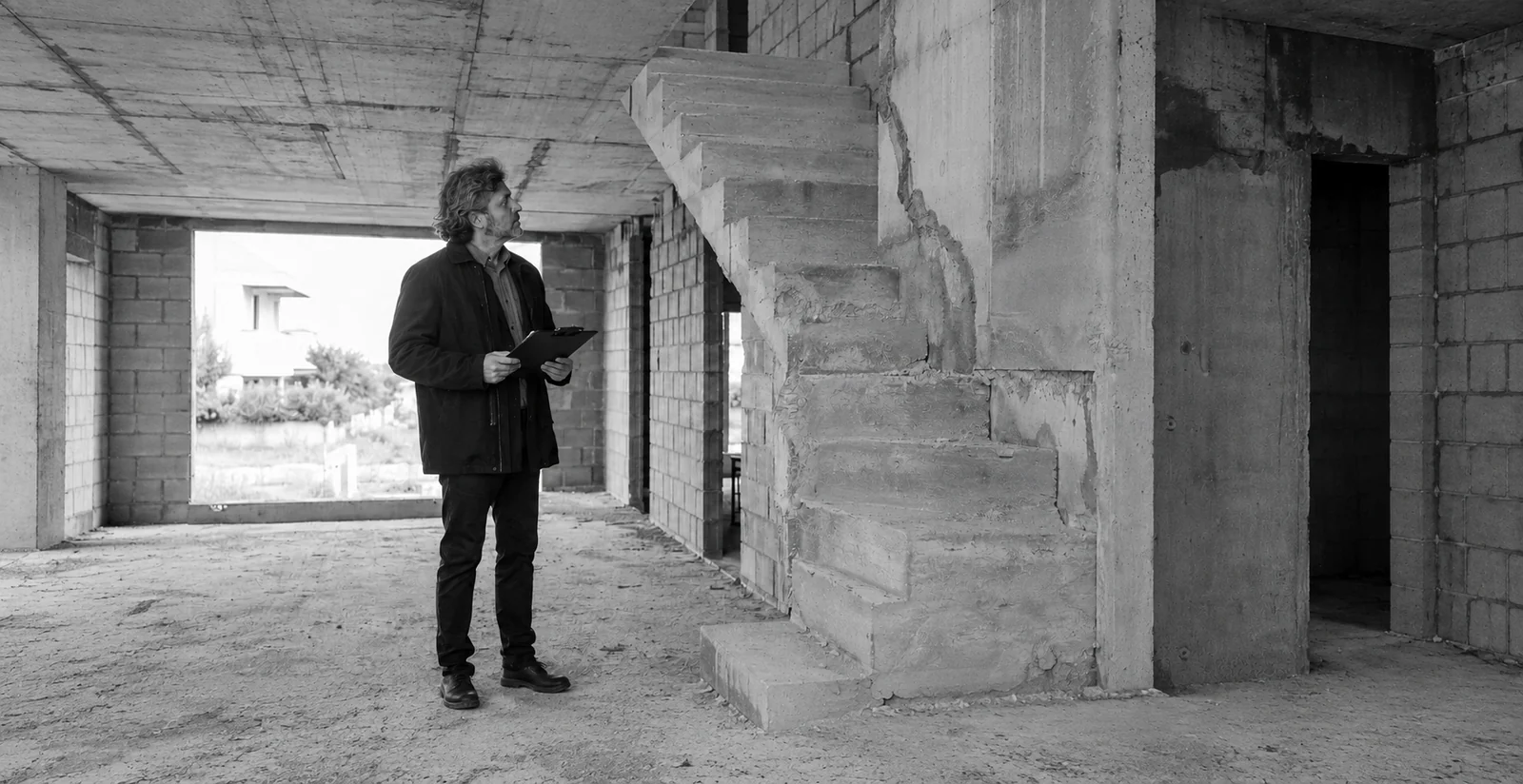
Damage arising from construction is one of the most complex areas of civil liability because a single project may involve developers, contractors, designers, the technicians of the “dirección facultativa” —the supervising technical team— and other parties, each with different functions and responsibilities. The “Ley de Ordenación de la Edificación”, Spain's Building Act, lays down a specific liability regime for the parties involved in the building process.
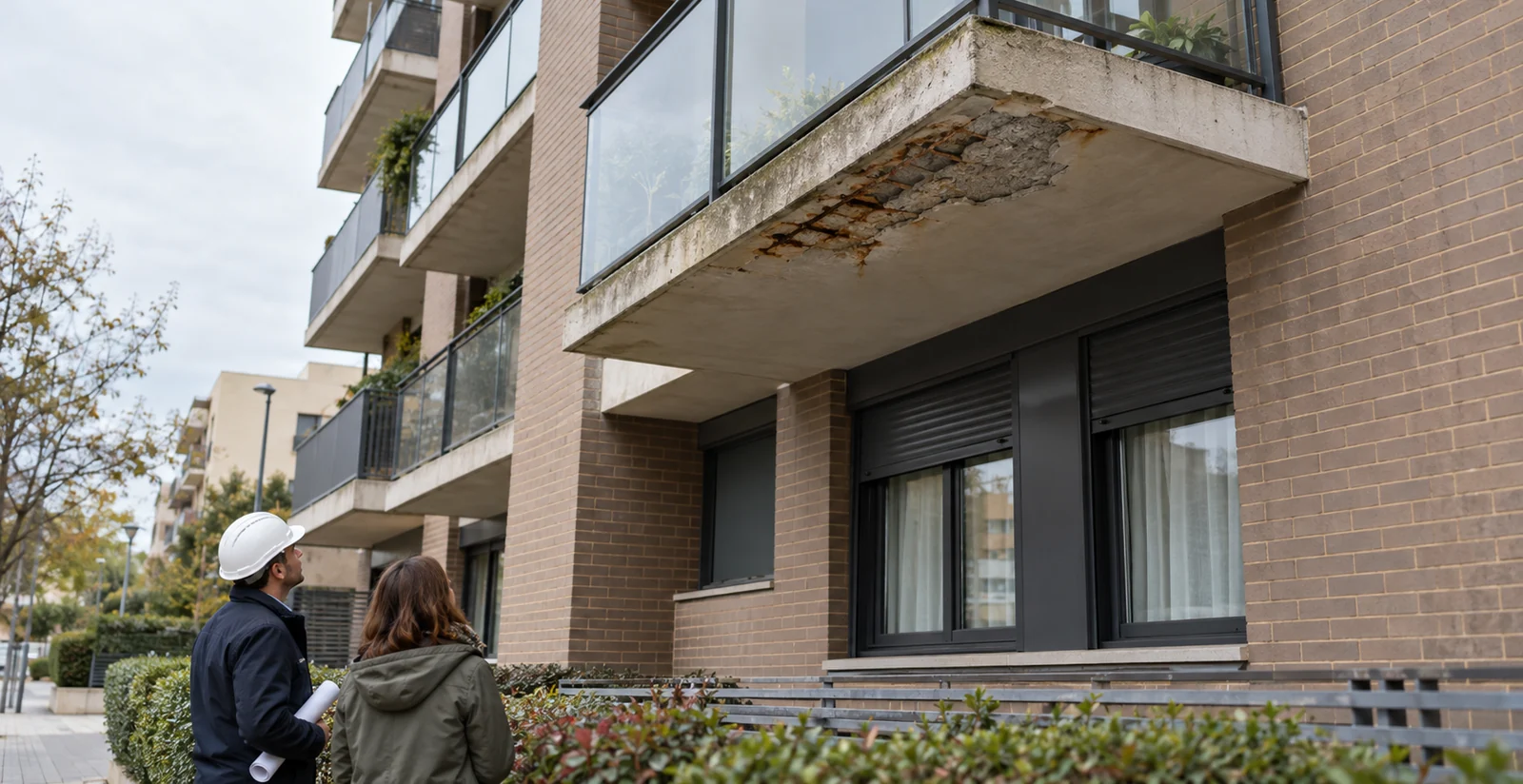
A crack, a leak, a structural defect, deficient insulation, a waterproofing problem or defective workmanship may stem from different causes and affect each party involved differently. Before claiming or mounting a defence, it is necessary to determine on technical grounds the origin of the defect and, as a matter of law, to whom it may be attributed. We therefore examine with particular care designs, contracts, site documentation, records, certificates, technical reports and any other background material that makes it possible to reconstruct the building process. Coordination between lawyer and expert is usually decisive, both in identifying the causes of the damage and in assessing its remedy.
Liability arising from building work may, moreover, rest on different legal bases and be subject to different time limits depending on the nature of the damage and the relationship between the parties. Our involvement starts from determining precisely the applicable regime before defining the actions to be brought or the defence against them.
Liability for defective products
Damage caused by defective products is governed by a specific legal regime that requires analysis of the product, the alleged defect, the damage caused, the circumstances in which the product was put into circulation and the causal link between the defect and the loss. This regime, laid down in consumer legislation, gives particular weight to proof of the defect, of the damage and of the causal link.
These matters may require determining who has the legal status of producer, manufacturer or importer, reconstructing the distribution chain and examining the technical characteristics of the product, its design, manufacture, presentation, instructions and reasonably foreseeable use.
Technical evidence again plays a central role here. Establishing whether an accident is due to a defect in the product, to the way it was used, to subsequent tampering or to some other cause usually calls for specialist analysis and an evidential strategy defined from the earliest stages of the matter.
We act both in claiming damage caused by products and in defending companies against liability claims, analysing together the applicable legal regime, the technical evidence and the economic dimension of the dispute.
Road traffic accidents and assessment of damage
Road traffic accidents also have a specific regime of civil liability, insurance and assessment of personal injury. The rules on civil liability and insurance in the use of motor vehicles are frequently amended and the sums of compensation they set are updated periodically.
Our involvement is not confined to determining who must answer for the accident. Where there is personal injury, it is necessary to analyse the temporary injury, the permanent sequelae, the care needs, the financial and professional consequences and the other heads that may make up the compensation. The medical documentation and the expert evidence are, once again, decisive. Assessing bodily injury correctly requires linking the injury to the accident, following its progress and having available the material needed to quantify its consequences once the injury has stabilised.
We advise on dealings and negotiations with insurers and, where no appropriate solution can be reached, we conduct the claim before the courts. More than thirty years of litigation experience allow us to assess from the outset not only the amount claimed but also how each of the heads making it up will have to be proved.
Liability of public authorities in damages
The liability of public authorities in damages is governed by its own regime of public law. The legislation recognises the right to compensation for certain injury to property and rights resulting from the normal or abnormal operation of public services, provided that the statutory requirements are met.
These claims require the damage to be identified precisely, its existence and extent to be proved, the causal link with the administrative action to be established and a determination as to whether or not the injured party is under a legal duty to bear it. The presence of other causes, the intervention of third parties or the injured party's own conduct may make the causal analysis one of the central questions in the proceedings.
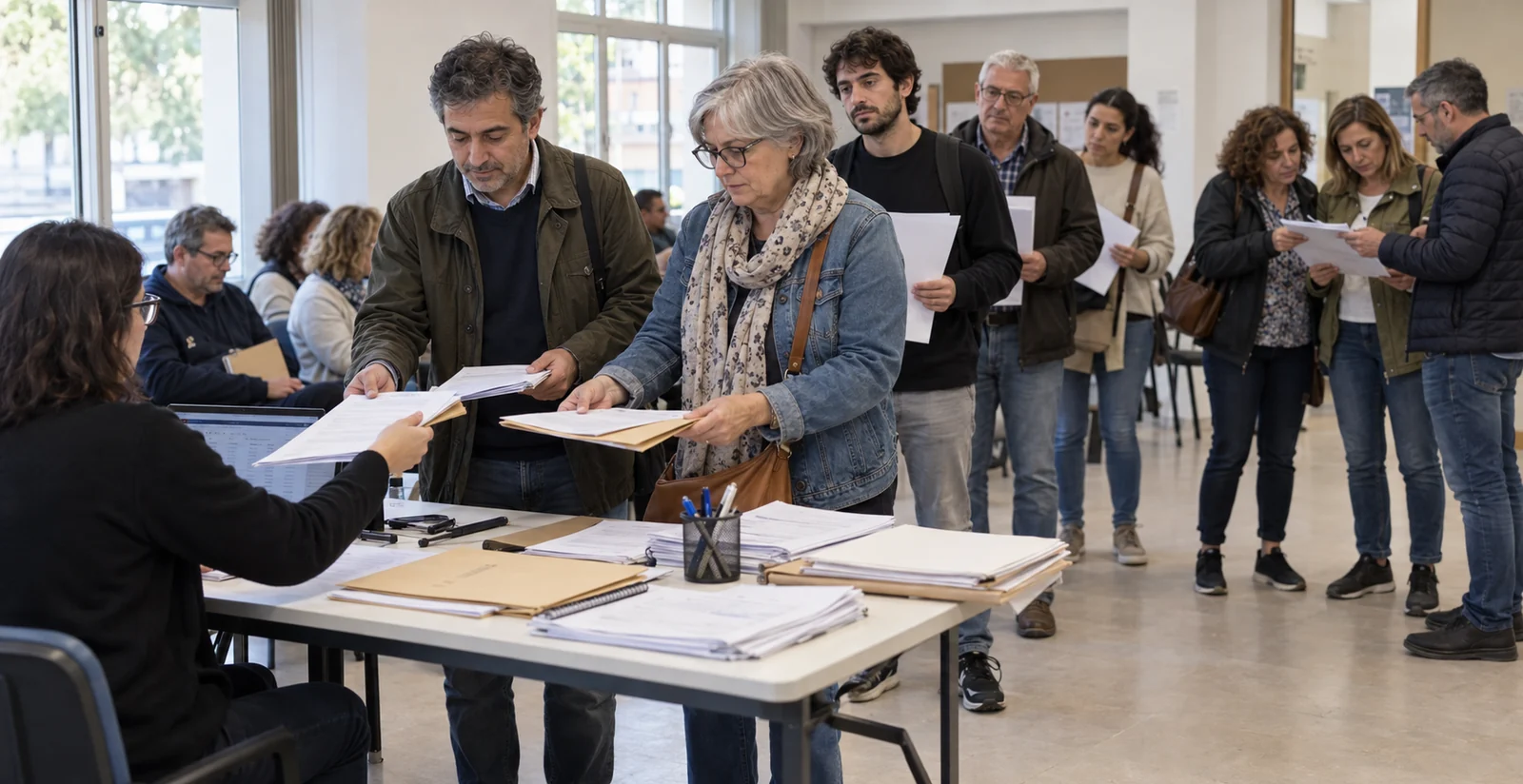
Our involvement covers the preparation and filing of the claim at the administrative stage, the analysis and production of the necessary technical and financial evidence and, where the relief sought is refused, its defence before the “jurisdicción contencioso-administrativa”, the administrative courts. Administrative law, the civil law of property and litigation come together in this field, three areas particularly connected with our practice. The liability of public authorities in damages requires an understanding of the legal regime governing administrative action, but also the precise determination and assessment of the financial loss that action has caused and the building up, from the outset, of the evidence needed to obtain redress for it.